Risk of Ruin: The Math That Decides Whether You Survive
A profitable trader and a blown-up account can run the same strategy. Risk of ruin is the math that decides which one you become, computed from first principles.
A profitable trader and a blown-up account can run the same strategy. Risk of ruin is the math that decides which one you become, computed from first principles.
Two traders run the exact same strategy. One doubles their account, the other slowly bleeds it away. Same rules, same instrument, same discipline. The difference is not skill or luck. It is the market regime each of them happened to be trading in.
Diversification is not about how many positions you hold — it is about how differently they behave. Ten tech stocks that move together are one big bet, not ten independent ones. Here is what correlation actually measures and why it decides your real risk.
A backtest is the most persuasive lie in trading. The equity curve slopes up and to the right, and then you trade it live and the edge quietly evaporates. Here are the systematic reasons why.
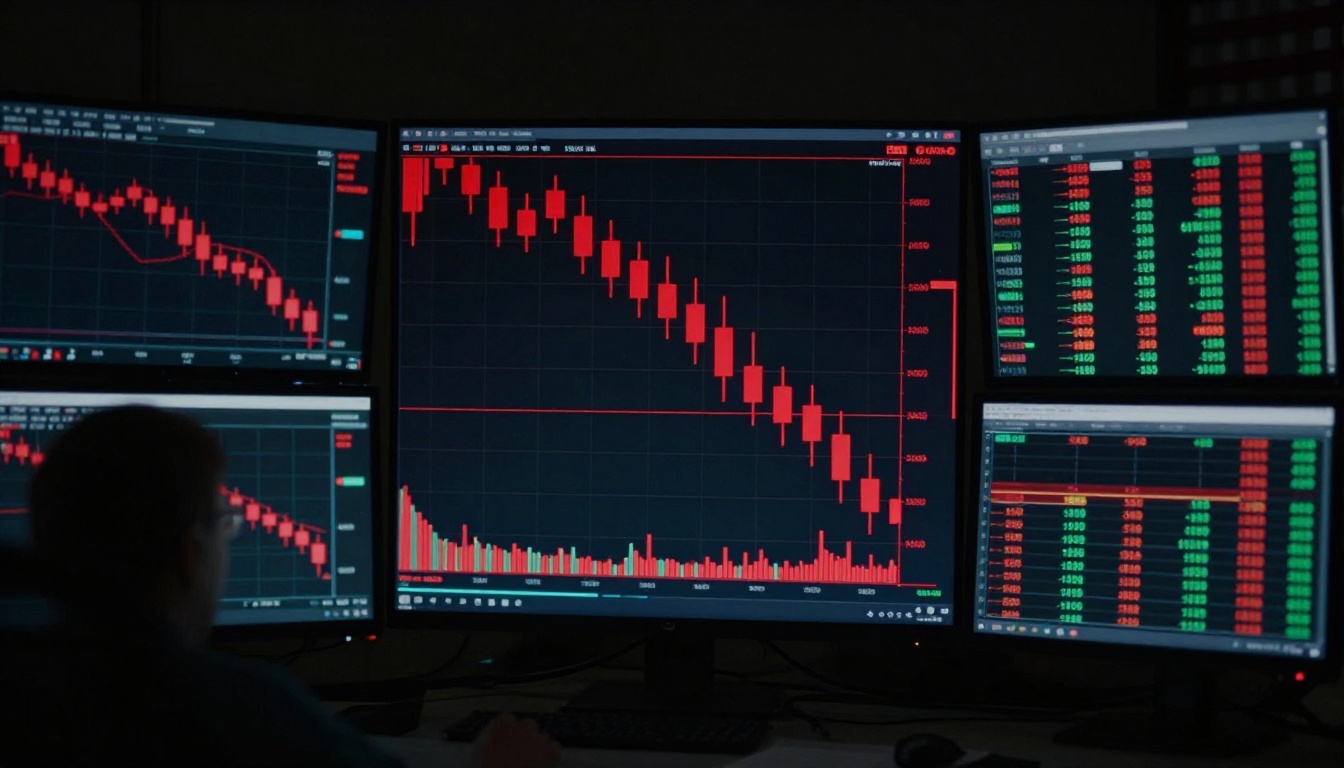
Short selling means borrowing shares, selling them, and buying them back later. Here's the mechanic, the borrow fees, and the asymmetric risk profile that makes it fundamentally riskier than owning stock.
Moving averages, RSI, and chart patterns all read direction. Bollinger Bands and ATR measure something different: how much a security is actually moving, and how to size stops around it.
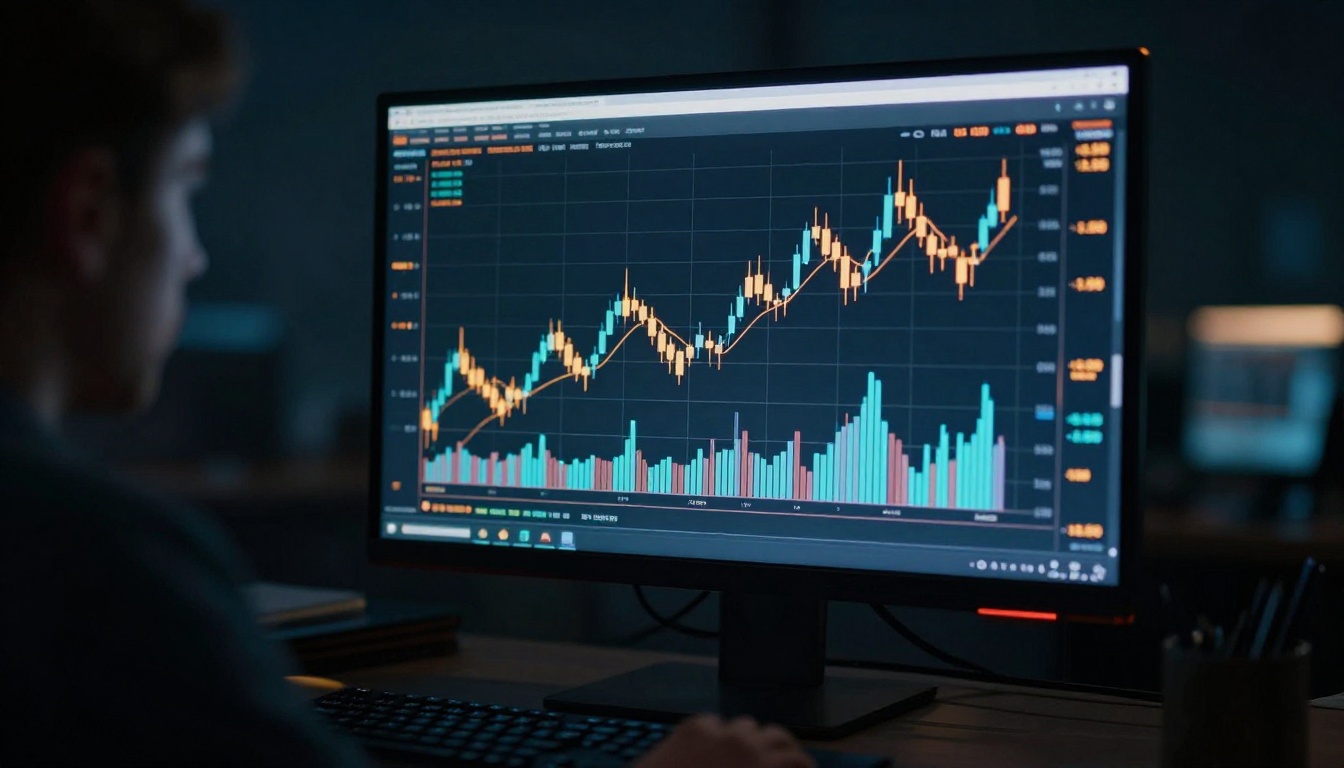
A futures contract is a standardized, exchange-traded agreement to buy or sell an asset at a set price on a set date. Here's how tick size, expiry, rollover, and margin actually work.
Covered calls, protective puts, and cash-secured puts are not free money. Each trades away something specific in exchange for income, a loss floor, or a paid limit order.
Before you place a single forex trade, you need to know how much you lose per pip. Here is the plumbing of forex — pips, lots, and pip value — worked out with real numbers.

Every trader has a strategy that looks great in their head. Backtesting is how you find out whether it actually works. Here is how to test strategies properly, what metrics matter, and why most backtest results are too good to be true.
A risk-reward ratio compares how much you stand to lose on a trade to how much you stand to gain. It is arguably the most important number in your trading plan, because it determines whether your strategy can survive a normal losing streak.
Leverage lets you control a larger position than your account balance would normally allow. A $10,000 account with 10:1 leverage can open a $100,000 position. That sounds powerful, and it is — in both directions.