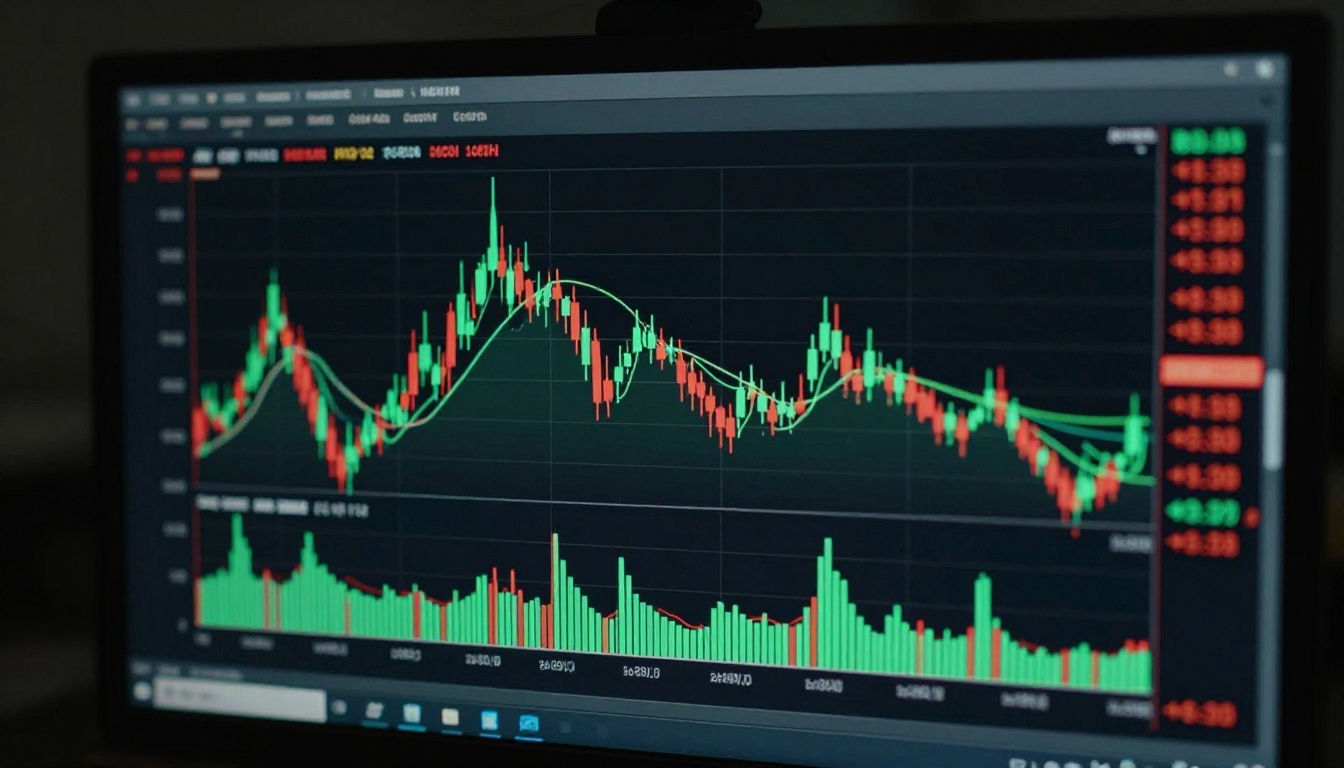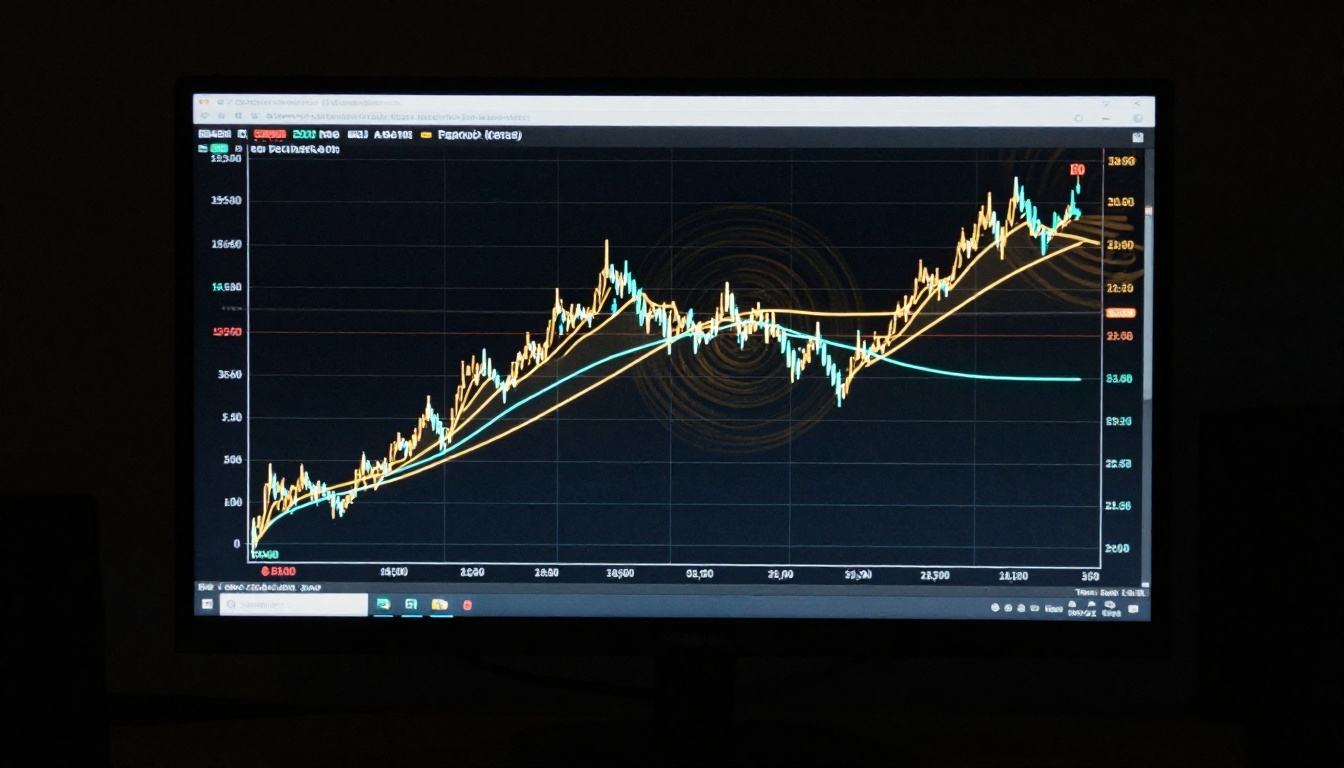
I pattern grafici sono la parte più riconoscibile dell'analisi tecnica e anche la più fraintesa. Apri un qualsiasi manuale per principianti e trovi diagrammi puliti di testa e spalle, triangoli ordinati e bandiere con frecce che indicano esattamente dove il prezzo "dovrebbe" andare. I grafici reali raramente appaiono così ordinati. I pattern falliscono, rompono nella direzione sbagliata, poi invertono di nuovo. I pattern che contano non sono quelli che sembrano più belli in un libro di testo; sono quelli che, tradati con conferma e uno stop definito, offrono un vantaggio ripetibile su un ampio campione di operazioni.
Questa è la controparte multi-barra della lettura delle singole candele. Se l'analisi delle candele riguarda ciò che dicono una o due barre, i pattern grafici riguardano la forma che un mercato disegna nel corso di settimane di indecisione. Per le basi sulla singola barra, inizia con la guida alla lettura dei grafici a candele, poi torna qui per le strutture più ampie che quelle candele costruiscono.
Cosa sono realmente i pattern grafici
Un pattern grafico è una formazione riconoscibile nel prezzo che riflette l'equilibrio tra acquirenti e venditori nel tempo. I pattern si dividono in due grandi famiglie. I pattern di inversione si formano alla fine di un trend e segnalano un probabile cambio di direzione. I pattern di continuazione si formano durante un trend, rappresentano una pausa e segnalano che il trend precedente probabilmente riprenderà. Sapere a quale famiglia appartiene un pattern è il primo filtro, perché tradare un pattern di continuazione come se fosse un'inversione è uno dei modi più rapidi per trovarsi dalla parte sbagliata di un movimento.
L'inquadramento onesto conta qui. L'affidabilità dei pattern è stata studiata empiricamente, in particolare nel lavoro enciclopedico di Thomas Bulkowski, che ha catalogato migliaia di occorrenze reali. Il risultato costante di quella ricerca è sobrio: la maggior parte dei pattern classici raggiunge il proprio obiettivo misurato molto meno spesso di quanto la loro reputazione suggerisca, e la differenza tra un trader di pattern redditizio e uno non redditizio non è quasi mai il riconoscimento del pattern. È ciò che accade dopo il pattern: la conferma, il posizionamento dello stop e la disciplina di saltare i setup marginali.
Un pattern grafico non è una previsione. È un setup condizionale che diventa tradabile solo quando il prezzo lo conferma, e resta tradabile solo finché lo stop non è stato colpito.
I pattern che vale la pena conoscere
I seguenti pattern formano il vocabolario operativo del trading basato sul price action. Ognuno ha una struttura definita, un trigger di conferma, un modo per misurare un obiettivo e un'affidabilità realistica che raramente corrisponde al diagramma. La tabella seguente li riassume; le sezioni successive aggiungono i dettagli che la tabella non può fornire.
Pattern grafici classici a colpo d'occhio
| Pattern | Tipo | Segnale di conferma | Misurazione dell'obiettivo | Affidabilità realistica |
|---|---|---|---|---|
| Testa e spalle | Inversione (top) | Chiusura sotto la neckline | Altezza testa-neckline proiettata verso il basso | Moderata; migliore su timeframe più alti |
| Testa e spalle inversa | Inversione (bottom) | Chiusura sopra la neckline | Altezza testa-neckline proiettata verso l'alto | Da moderata a buona nella ripresa del trend rialzista |
| Doppio massimo | Inversione (top) | Chiusura sotto il minimo intermedio | Altezza picco-minimo proiettata verso il basso | Moderata; molti falliscono senza calo di volume |
| Doppio minimo | Inversione (bottom) | Chiusura sopra il picco | Altezza minimo-picco proiettata verso l'alto | Da moderata a buona con volume in aumento |
| Triangolo ascendente | Continuazione (di solito) | Chiusura sopra la linea superiore piatta | Altezza del triangolo proiettata dal breakout | Moderata; direzione non garantita |
| Triangolo discendente | Continuazione (di solito) | Chiusura sotto la linea inferiore piatta | Altezza del triangolo proiettata dal breakout | Moderata; direzione non garantita |
| Triangolo simmetrico | Continuazione (tendenza) | Chiusura oltre una delle due linee | Altezza del triangolo proiettata dal breakout | Inferiore; direzione del breakout imprevedibile |
| Bandiera rialzista | Continuazione | Chiusura sopra il limite superiore della bandiera | Lunghezza dell'asta della bandiera | Più alta tra i pattern di continuazione |
| Bandiera ribassista | Continuazione | Chiusura sotto il limite inferiore della bandiera | Lunghezza dell'asta della bandiera | Più alta in un chiaro trend ribassista |
| Gagliardetto | Continuazione | Chiusura oltre il piccolo triangolo | Lunghezza dell'asta della bandiera | Simile alle bandiere; di breve durata |
Testa e spalle (e la sua inversa)
La testa e spalle è il pattern di inversione più famoso. Si forma alla fine di un trend rialzista: una spalla sinistra (un picco), una testa più alta (un picco più alto) e una spalla destra (un picco più basso, circa allo stesso livello della sinistra). La linea che collega i due minimi tra questi picchi è la neckline. Il pattern non è completo, e non è tradabile, finché il prezzo non chiude sotto quella neckline. Un tocco non è una rottura.
La testa e spalle inversa è la stessa struttura ribaltata, si forma alla fine di un trend ribassista e segnala un potenziale movimento al rialzo. Tende a comportarsi leggermente meglio quando appare come continuazione di un trend rialzista di lungo periodo piuttosto che come inversione importante, perché va nella direzione del trend più ampio invece che contro di esso.
La modalità di fallimento più comune è la spalla destra che non si forma mai in modo pulito, oppure una rottura della neckline che si inverte immediatamente. Questo è il motivo per cui la neckline spesso costituisce un esempio da manuale di come i livelli di supporto e resistenza invertano i ruoli: una volta rotta al ribasso, la neckline diventa spesso resistenza in un pullback, offrendo un secondo ingresso, a minor rischio, per i trader che hanno mancato la rottura iniziale.
Doppi massimi e doppi minimi
Un doppio massimo è formato da due picchi a un prezzo pressoché identico con un minimo tra di essi, assomigliando alla lettera M. Segnala che gli acquirenti hanno provato due volte a spingere più in alto e hanno fallito entrambe le volte. La conferma arriva quando il prezzo chiude sotto il minimo intermedio. Un doppio minimo è l'immagine speculare, una forma a W, confermata da una chiusura sopra il picco centrale.
Questi pattern sono intuitivi ma ingannevoli. Due picchi a un livello simile compaiono continuamente sui grafici, e la maggior parte di essi non sono doppi massimi in alcun senso tradabile. L'evidenza empirica è chiara: un'alta proporzione di apparenti doppi massimi si risolve semplicemente rompendo di nuovo la resistenza e continuando al rialzo. Il filtro che separa il segnale dal rumore è di solito il volume e la profondità del minimo centrale: un minimo poco profondo e un volume piatto sono avvertimenti, non conferme.
Triangoli: ascendente, discendente, simmetrico
I triangoli sono pattern di consolidamento in cui il prezzo oscilla in un range che si restringe. Un triangolo ascendente ha una parte superiore orizzontale piatta (resistenza testata ripetutamente) e una trendline inferiore in salita. Di solito si risolve al rialzo, poiché gli acquirenti continuano a intervenire su minimi più alti finché la resistenza non cede. Un triangolo discendente è l'inverso, con una base piatta e una trendline superiore in discesa, e di solito si risolve al ribasso.
Un triangolo simmetrico ha entrambe le trendline convergenti, con massimi decrescenti e minimi crescenti. Presenta un pregiudizio verso il trend precedente ma è genuinamente incerto dal punto di vista direzionale, ed è il meno affidabile dei tre nel prevedere la direzione del breakout. I trader che insistono nell'indovinare in anticipo la direzione di un triangolo simmetrico stanno di solito aggiungendo rischio senza aggiungere vantaggio. L'approccio più disciplinato è attendere la chiusura oltre uno dei due confini e tradare in quella direzione.
Una nota pratica valida per tutti i triangoli: i breakout che si verificano molto vicino all'apice, dove le linee quasi si incontrano, tendono ad essere più deboli e più soggetti a fallimento. I breakout più puliti di solito arrivano quando c'è ancora spazio rimasto nel pattern, all'incirca tra la metà e i tre quarti del percorso verso l'apice.
Bandiere e gagliardetti
Le bandiere e i gagliardetti sono pattern di continuazione brevi e netti che seguono un forte movimento direzionale, la cosiddetta asta della bandiera. Una bandiera rialzista è un piccolo consolidamento in discesa o laterale dopo un forte rally; una bandiera ribassista è un piccolo consolidamento in salita dopo un forte calo. Un gagliardetto è simile ma il consolidamento forma un piccolo triangolo simmetrico invece di un canale parallelo.
Tra i pattern di continuazione, le bandiere tendono ad essere le più utili per i trader attivi perché si formano rapidamente, sono facili da definire e offrono uno stop stretto e logico appena oltre la bandiera stessa. Funzionano meglio quando l'asta era genuinamente forte e il consolidamento è poco profondo e breve. Una bandiera che deriva lateralmente troppo a lungo, o che ritraccia gran parte dell'asta, non è più una bandiera; è un segno che il movimento ha perso il suo slancio.
Misurare l'obiettivo
Ogni pattern classico viene fornito con un modo integrato per stimare un obiettivo di prezzo, il che è uno dei motivi per cui restano popolari. La logica del movimento misurato è coerente: trova l'altezza del pattern, poi proietta quell'altezza dal punto di breakout. Questo fornisce un obiettivo strutturato invece di un'ipotesi arbitraria, e si abbina naturalmente a uno stop definito per produrre un rapporto rischio/rendimento noto ancora prima di intraprendere l'operazione, come spiegato nella guida ai rapporti rischio-rendimento e obiettivi di profitto.
La tabella elaborata di seguito mostra il metodo applicato a numeri realistici. Considera gli obiettivi come stime, non promesse: il movimento misurato è il punto in cui si trova l'obiettivo teorico del pattern, non dove il prezzo è obbligato ad andare.
Obiettivi del movimento misurato (esempi elaborati)
| Pattern | Livelli chiave | Altezza del pattern | Livello di breakout | Obiettivo proiettato |
|---|---|---|---|---|
| Testa e spalle top | Testa 152, neckline 140 | 12 punti | 140 (rottura al ribasso) | 128 |
| Doppio minimo | Minimi 88, picco centrale 95 | 7 punti | 95 (rottura al rialzo) | 102 |
| Triangolo ascendente | Resistenza 50, base 44 | 6 punti | 50 (rottura al rialzo) | 56 |
| Bandiera rialzista | Base asta 30, cima 39 | Asta di 9 punti | 38 (breakout della bandiera) | 47 |
Nota che l'obiettivo viene sempre proiettato dal livello di breakout, non dall'estremo del pattern. Un errore frequente dei principianti è misurare l'altezza e poi aggiungerla al punto di riferimento sbagliato, il che gonfia l'obiettivo e rovina silenziosamente la matematica del rischio/rendimento dell'operazione. Lo stop, nel frattempo, appartiene appena oltre la struttura che invaliderebbe il pattern: sopra la spalla destra in un testa e spalle, sotto la candela di breakout in una bandiera rialzista, oltre la linea opposta del triangolo.
Falsi breakout e conferma
Il singolo motivo più importante per cui il trading sui pattern delude è il falso breakout, a volte chiamato fakeout. Il prezzo supera la neckline, la linea del triangolo o il confine della bandiera, innesca un'ondata di ingressi, poi scatta di nuovo dentro il pattern e attiva gli stop nella direzione opposta. I falsi breakout non sono eccezioni rare; sono una caratteristica strutturale del modo in cui i mercati cacciano la liquidità attorno a livelli evidenti. Pianificarli è la differenza tra un pattern che funziona sulla carta e uno che sopravvive al contatto con un conto reale.
La conferma è la difesa. Invece di entrare nell'istante in cui il prezzo supera una linea, i trader disciplinati aspettano prove che la rottura sia reale. La checklist seguente riassume i filtri di conferma più utili e le trappole di falso breakout che ciascuno affronta.
Checklist di conferma contro i falsi breakout
| Controllo | Cosa cercare | Cosa filtra |
|---|---|---|
| Prezzo di chiusura | Una chiusura completa della candela oltre la linea, non solo uno stoppino | Picchi intrabarra che si invertono prima della chiusura |
| Volume | Espansione del volume sulla barra di breakout | Rotture a bassa convinzione che sfumano rapidamente |
| Ritest | Il prezzo torna sulla linea rotta e regge | Rotture che falliscono al primo pullback |
| Timeframe | Pattern visibile anche su un timeframe superiore | Pattern di livello rumore su grafici molto brevi |
| Contesto | La rottura è allineata con il trend più ampio | Rotture controtrend con scarse probabilità |
| Stop più ampio | Stop posizionato oltre la zona ovvia di stop-run | Essere scacciati da una normale caccia alla liquidità |
Aspettare la chiusura di una candela è il filtro più economico ed efficace di tutti. La maggior parte dei fakeout appare come stoppini lunghi che perforano un livello e si ritirano prima che la barra chiuda; una regola basata sulla chiusura li ignora automaticamente. Il costo è un prezzo di ingresso leggermente peggiore sulle operazioni che funzionano, il che è un prezzo ragionevole da pagare per evitare una gran parte dei fallimenti. Anche il modo in cui quell'ingresso viene eseguito conta: un ordine stop-entry sopra il livello di breakout si comporta molto diversamente da un ordine limit in attesa di un ritest, e scegliere quello giusto è trattato nella guida agli ordini market, limit e stop-loss.
L'affidabilità relativa delle principali famiglie di pattern è più facile da comprendere visivamente che in un paragrafo. Il grafico seguente mostra un'affidabilità approssimativa e illustrativa a fini di trading, dove un valore più alto significa una quota maggiore di breakout confermati che proseguono invece di fallire. Queste sono indicazioni direzionali, non garanzie, e le prestazioni nel mondo reale variano notevolmente in base al timeframe, al mercato e a quanto rigorosamente viene applicata la conferma.
Affidabilità approssimativa dei pattern (illustrativa)
Perché i pattern funzionano affatto
Vale la pena chiarire perché queste formazioni abbiano un qualche valore predittivo, perché la ragione spiega anche i loro limiti. I pattern funzionano in parte perché abbastanza trader li osservano da renderli parzialmente auto-avveranti: quando una neckline riconoscibile si rompe, il conseguente cluster di ordini può spingere il prezzo nella direzione attesa semplicemente perché così tanti partecipanti hanno piazzato quegli ordini allo stesso livello. Il rovescio della medaglia è che i livelli più evidenti sono anche i più presi di mira per le stop-run, ed è esattamente per questo che i falsi breakout si concentrano attorno ai pattern da manuale.
Questo è il motivo per cui i pattern non dovrebbero mai essere tradati in isolamento. Un testa e spalle che si forma in una zona di resistenza importante, contro un trend in indebolimento, con una rottura della neckline confermata dal volume, è un setup molto migliore rispetto alla stessa forma che appare a metà trend su un grafico a cinque minuti con volume piatto. Il pattern è un solo elemento di prova. Il contesto del trend, il supporto e la resistenza, e il volume sono gli altri, e le operazioni migliori sono quelle in cui diversi fattori indipendenti puntano nella stessa direzione.
Punti chiave da ricordare
- Conosci la famiglia. I pattern di inversione (testa e spalle, doppi massimi e minimi) segnalano un'inversione; i pattern di continuazione (triangoli, bandiere, gagliardetti) segnalano una pausa prima che il trend riprenda.
- Aspetta la chiusura. Un pattern non è confermato finché il prezzo non chiude oltre la sua linea trigger. Gli stoppini che perforano e si ritirano sono la firma di un falso breakout.
- Misura dal breakout. Proietta l'altezza del pattern dal livello di breakout, non dall'estremo, e abbina l'obiettivo a uno stop appena oltre il punto di invalidazione.
- Rispetta il tasso di fallimento. La maggior parte dei pattern raggiunge il proprio obiettivo meno spesso di quanto i diagrammi da manuale suggeriscano. Il vantaggio risiede nella conferma e nel controllo del rischio, non nel riconoscimento.
- Tradare con il contesto. I pattern allineati con il trend più ampio, i livelli chiave e il volume sovraperformano ampiamente le forme isolate su timeframe bassi.
Il pattern ti dice dove si trova il setup. La chiusura ti dice se prenderlo. Lo stop ti dice quando ti sei sbagliato. Il trading redditizio sui pattern si costruisce su tutti e tre gli elementi, non sul solo diagramma.
I pattern grafici sono una lente utile, non una sfera di cristallo. Usati come setup condizionali con una conferma rigorosa, obiettivi definiti e stop rigidi, danno struttura al trading discrezionale. Usati come previsioni su cui agire nel momento in cui appare una forma, sono un modo affidabile per alimentare i falsi breakout. La forma è la parte facile; la disciplina attorno ad essa è il vantaggio.
Disclaimer: questo contenuto ha finalità puramente educative e non costituisce consulenza finanziaria. Il trading comporta un rischio sostanziale di perdita. Le performance passate non garantiscono risultati futuri.